Scroll
Discover Marvão
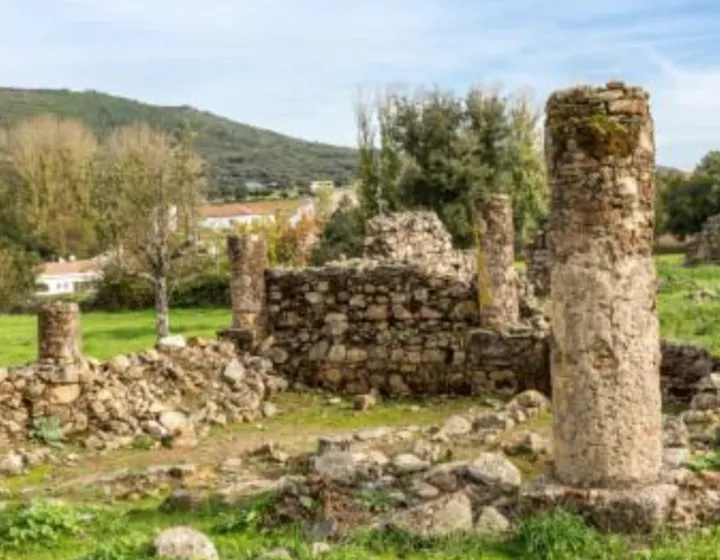
Roman city of Ammaia
Located very close to the beautiful village of Marvão, in the heart of the Alentejo region, within the Serra de São Mamede Natural Park, the ruins of the Roman city of Ammaia are situated in an area of great beauty, attesting to its patrimonial grandeur. The curious thing about these ruins is that in the 5th and 9th centuries they suffered the effects of a cataclysm that buried the lower part of the urban structure, thus belonging to one of the few cities of the empire that, probably due to natural causes, remained preserved and over which no other urban developments arose throughout history.
On site there is a "site museum," the Monographic Museum of the City of Ammaia, designed to showcase the daily life of the people who lived here, as well as the various objects found and inventoried, including one of the most important collections of Roman glass in the Iberian Peninsula.
On site there is a "site museum," the Monographic Museum of the City of Ammaia, designed to showcase the daily life of the people who lived here, as well as the various objects found and inventoried, including one of the most important collections of Roman glass in the Iberian Peninsula.
Pedestrian Route
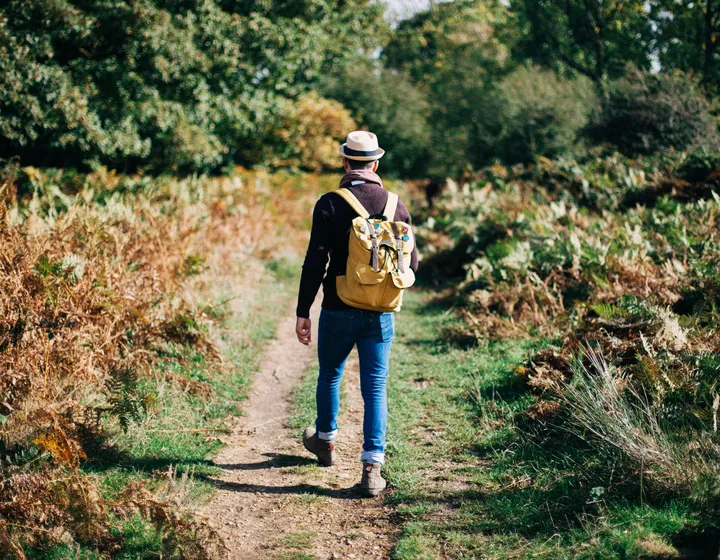
Along this route we can find escarpments and cliffs, valleys and ravines, oaks and chestnut trees, contrasting with the typical Alentejo landscape of cork oak forests and plains. In the tight curves of medieval cobbled streets, church bells resound and the cheerful chirping of birds echoes.
Marvão Walking Route / Galegos Walking Route / Castelo Vide Walking Route / Coffee Smuggling Route / Olhos de Água Trail
Marvão Walking Route / Galegos Walking Route / Castelo Vide Walking Route / Coffee Smuggling Route / Olhos de Água Trail
Toll
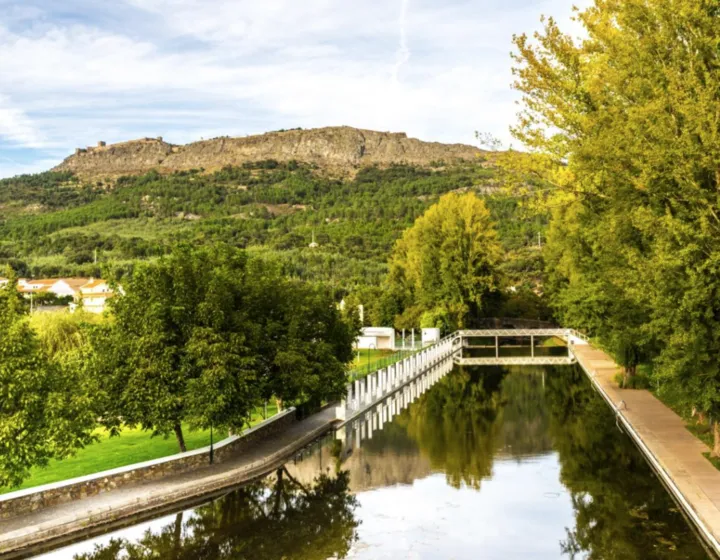
The Portagem Granite Bridge, which spans the Sever River, is one of the many landmarks of the municipality of Marvão and can be considered one of the most perfect works of road engineering known in the Alentejo region.
Its location near the Roman city of Ammaia (parish of S. Salvador de Aramenha), along with the presence of Roman materials in its vicinity, has contributed to practically all authors considering it a work of the Romans or of their time. According to Diogo Pereira de Sotto Maior, in his treatise on the city of Portalegre, completed in 1619, there was still, in his time (possibly at the end of the 16th century), a bridge in front of which was a complete gate. This would be the famous Arco da Aramenha, which Manuel de Azevedo Fortes, Governor of the Fortress of Castelo de Vide, ordered to be transported to that town in 1710. This gate was located in the area of the Quinta da Azenha Branca, the place with the highest concentration of Roman remains in the city of Ammaia. The bridge in front of it would be a work of Roman times, if we consider the remains that are still found on the site today.
Its location near the Roman city of Ammaia (parish of S. Salvador de Aramenha), along with the presence of Roman materials in its vicinity, has contributed to practically all authors considering it a work of the Romans or of their time. According to Diogo Pereira de Sotto Maior, in his treatise on the city of Portalegre, completed in 1619, there was still, in his time (possibly at the end of the 16th century), a bridge in front of which was a complete gate. This would be the famous Arco da Aramenha, which Manuel de Azevedo Fortes, Governor of the Fortress of Castelo de Vide, ordered to be transported to that town in 1710. This gate was located in the area of the Quinta da Azenha Branca, the place with the highest concentration of Roman remains in the city of Ammaia. The bridge in front of it would be a work of Roman times, if we consider the remains that are still found on the site today.
Birdwatching
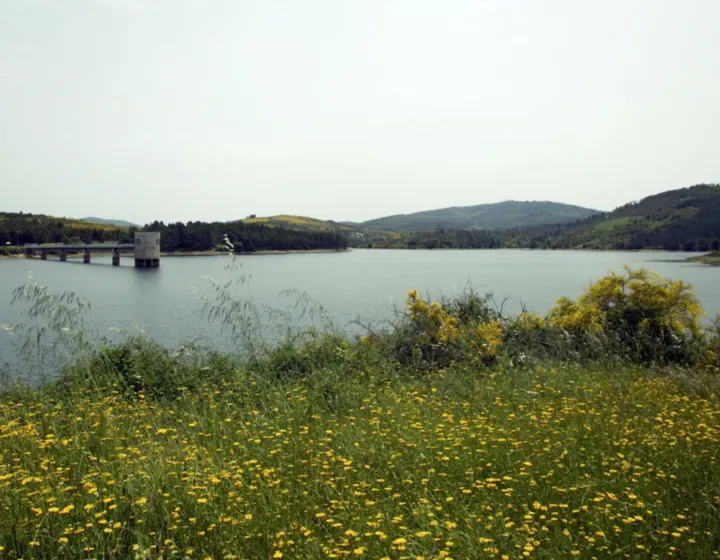
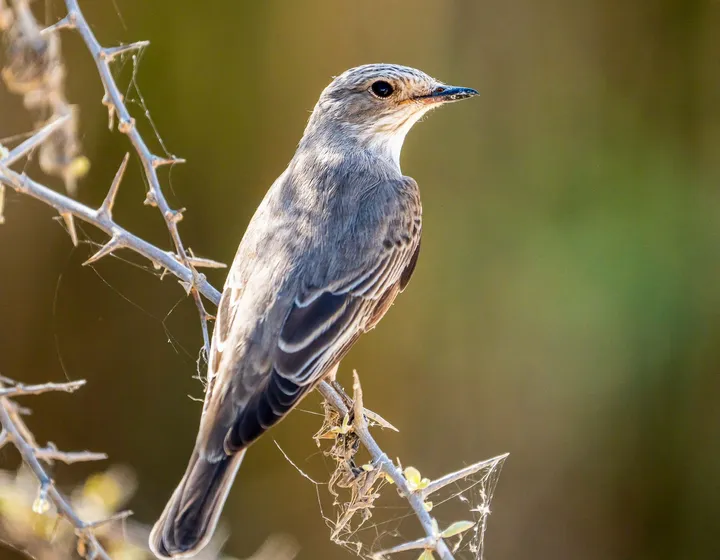
At the top of the world, where the walls of the Hotel Dom Dinis kiss the sky, the silence is only interrupted by the whisper of the wind and the singing of the birds that inhabit the Serra de São Mamede. Marvão is a natural sanctuary and the ideal setting for birdwatching enthusiasts, where the sky transforms into a living canvas. Let yourself be enchanted by the majestic flight of the large birds of prey that cross the heights or discover the delicate beauty of the small species that paint the granite landscape. Equipped with binoculars and enveloped by the serenity of the Alentejo region, this is an unmissable experience to connect with nature in its purest and wildest state.